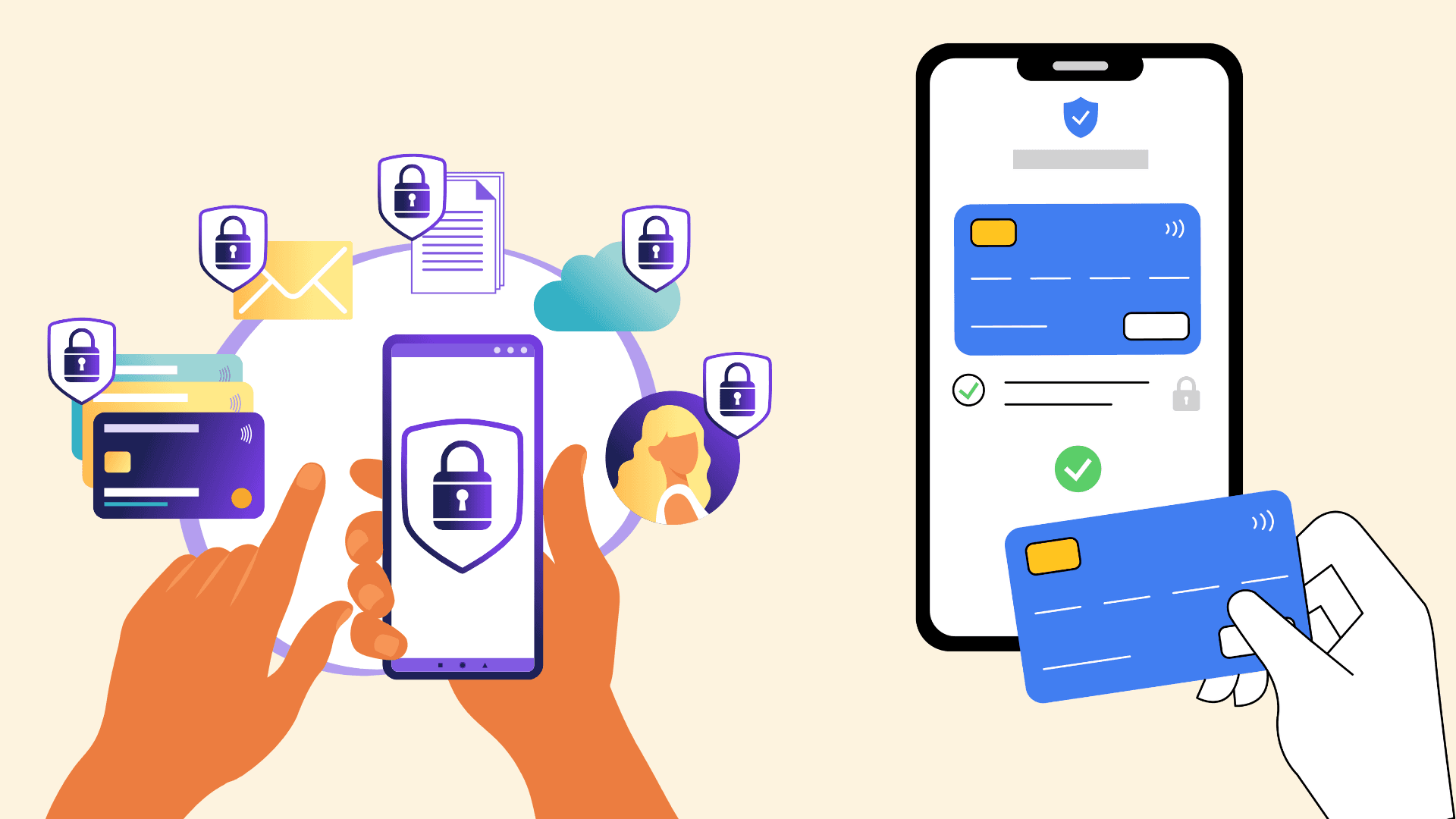
In today's digital age, mobile devices have become central to individual and professional lives. From online banking and shopping to business communication and external work, smartphones and tablets have huge amounts of sensitive data. However, this increasing addiction makes them a main goal for cybercriminals. Mobile security threats continue to develop, and without proper security measures, users pose a risk of data violations, identity theft, and financial loss. Understanding top security problems and using effective solutions is necessary to maintain a safe mobile environment.
Malware and malicious apps
One of the most common dangers of mobile security is harmful software. The attackers often hide harmful software in the form of valid apps, games, or tools. When installed, these apps can steal data, track user activity, or install further malicious software.
Solutions:
• Download apps from reliable sources such as the Google Play Store or Apple App Store.
• Update the operating systems and applications of your device regularly to patch the weaknesses.
• Use a reliable mobile safety app with malware and app scan features.
Phishing Attacks
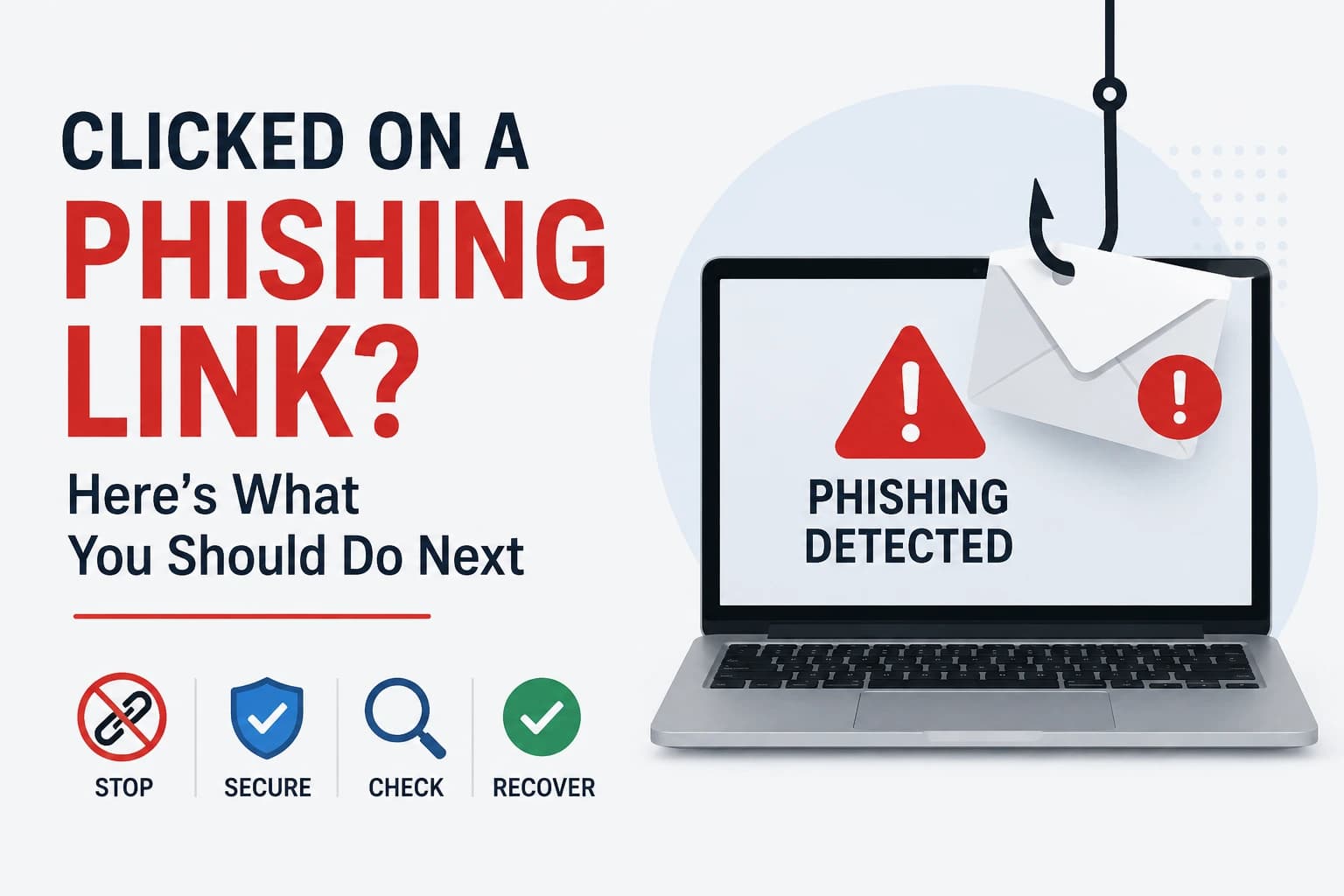
Phishing remains a top method for stealing personal information. Cybercriminals send fake emails, SMS messages, or push notifications to trick users into clicking malicious links or providing login credentials. With mobile devices, the smaller screen size often makes spotting phishing attempts harder.
Solutions: Avoid clicking suspicious links in emails or text messages. Verify website URLs before entering sensitive information. Enable multi-factor authentication (MFA) for accounts to add an extra security layer even if credentials are stolen.
Public Wi-Fi Risks
Public Wi-Fi networks are convenient but rarely secure. Hackers can intercept data transmitted over unsecured connections, leading to stolen login details, banking information, or personal messages. Man-in-the-middle (MITM) attacks are particularly common in such environments.
Solution: Avoid accessing sensitive information such as online banking while on public Wi-Fi. Use a Virtual Private Network (VPN) to encrypt your internet connection. Turn off automatic Wi-Fi connections to prevent your device from connecting to unsafe networks.
Old operating systems and apps
Users often experience mobile security breaches due to their inability to update their operating system or application. Cybercriminals utilize different weaknesses to gain access to devices. Older equipment that no longer receives updates is particularly vulnerable.
Solution: • As soon as they are available, always install updates. • Enable automatic updates for apps and operating systems. • Consider upgrading devices that are no longer receiving a security update.
Data leakage through apps
Some apps ask for large permissions, such as access to contacts, location, or microphone, which can lead to unauthorized data collection. Even valid apps can make data wrong or sell it to third parties.
Solution: • Review the permit from the app before installation. • Cancel unnecessary permission in the device settings. • Use security apps that can monitor and control the use of permission.
Lost or stolen equipment
Physical theft of smartphones is still a major threat. A lost or stolen unit with sensitive e-post, bank apps, and individual files can be utilized if they are not properly secured.
Solution: • Enable the device encryption to protect the collected data. • Enable external tracking and wipe off features like "Find My iPhone" or "Find My Device." • Always lock your device with a strong password, PIN, or biometric authentication.
Mobile ransomware
Ransomware is increasingly targeted at mobile users, locking them out of the equipment or encrypting files until a ransom is paid. Devastating consequences can ensue, particularly if the system fails to support important data.
Solution: • Regularly back up data to a secure cloud service or external storage. • Avoid downloading apps from rejected sources or clicking on suspected attachments. • Install mobile security solutions with ransomware detection.
IoT and mobile integration risk
With the emergence of the Internet of Things (IoT), many are smart devices associated with mobile phones. If the smartphone is compromised, the attackers can potentially gain control of the connected devices, such as smart home systems or wearables.
Solution: • Keep both updated mobile devices and IoT devices updated with the latest security update. • Use strong, unique credentials for each connected device. • Whenever possible, you are an IoT device on a separate network.
Insider Danger and Social Engineering
Studies Sometimes the biggest risks come from within. Abuse of employees or known information within a unit is possible. Social technology strategies, such as copying, can also trick users into revealing confidential details.
Solution: • Educate employees and individuals on best practices for mobile security. • Limit access to sensitive data for only authorized users. • Be careful with unusual requests, even if they come from reliable contacts.
Conclusion
Mobile equipment has revolutionized people's way of living and working, but they also provide unique security challenges. From malicious software and phishing attacks to data leakage and lost equipment, the risk is real and develops continuously. The good news is that most of the dangers can be reduced by implementing active security measures: keeping the equipment up to date, practicing safe surfing, using strong authentication, and using reliable safety equipment. By understanding initially about the mobile security issues and taking necessary steps and implementing mobile security solutions, individuals and organizations can reduce the risk of data breaches and secure digital experiences.

-20260817121335.webp&w=3840&q=75)
_compressed-20260817145942.webp&w=3840&q=75)